The Oven has baked its last loaf. This blog is no longer being updated.

My cooking videos appear at youtube.com/janeragavan

I write on food at star2.com

Cooking from the WWW*

Sunday, February 24, 2013

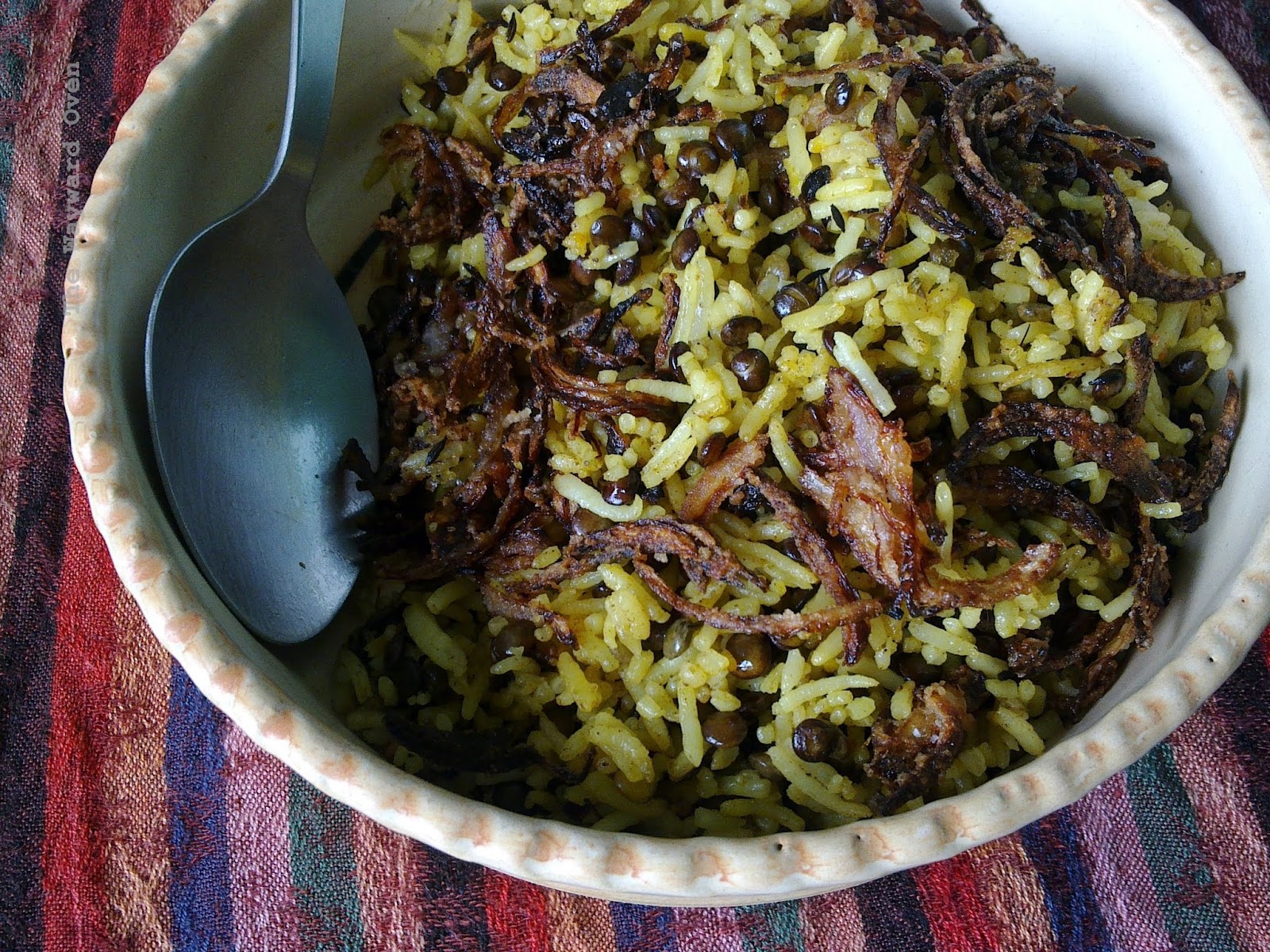
MEJADRA, WHERE HAVE YOU BEEN ALL MY LIFE? 
* A few dishes I have cooked lately, using recipes off the World Wide Web.

The more I read about Jerusalem, the cookbook by Yotam Ottolenghi and Sami Tamimi, the more I want to get it. All the recipes I have seen so far on newspaper websites have looked delicious and easy to do. The latest one I read, in the Los Angeles Times, is mejadra, a dish of rice and lentils topped with crisp fried onions.
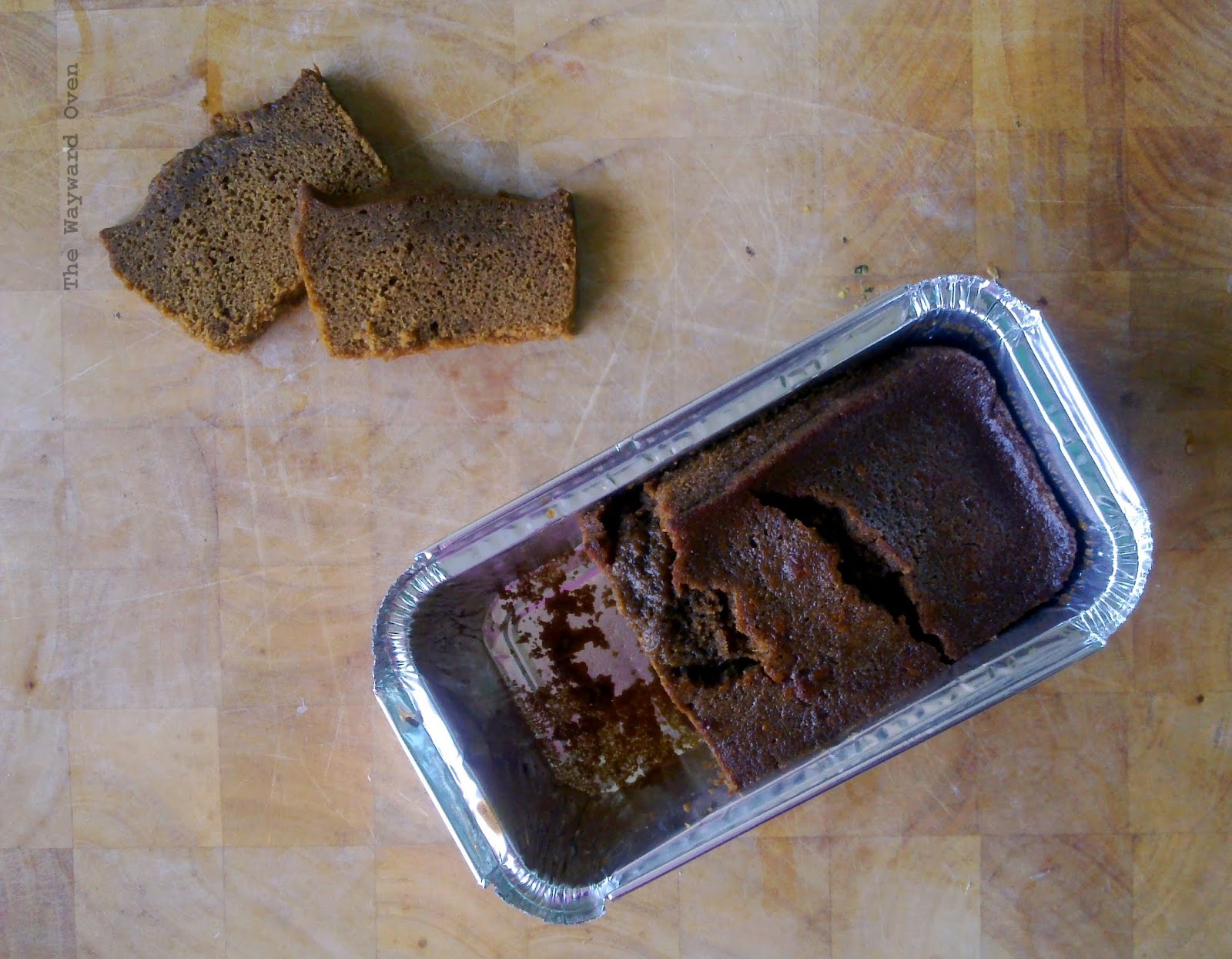
Sticky ginger cake
I never pass up Sticky Ginger Cake and the recipe from The Guardian was one to try. It's from the book Cherry Cake and Ginger Beer: A Golden Treasury of Classic Treats by Jane Brockett. Although I was anxious to have a slice straight out of the oven, I restrained myself and followed the instruction to wrap the cake in greaseproof paper and foil so that it would get an more sticky and gingery. It is a suggestion that should always be heeded. Yum. 
Emily Dickinson's coconut cake
Emily Dickinson's Coconut Cake from The History Kitchen. The Emily in question is the American poet. This is a good full-flavoured, moist cake. Fresh grated coconut gives it a rich coconut flavour. I was surprised to learn that fresh coconut was used in cooking in Massachussetts in the 19th century. I thought coconuts were just targets to knock down in old-time fairground games (very often rigged!).

Sourdough Surprises: Flatbreads - Thosai

Thursday, February 21, 2013

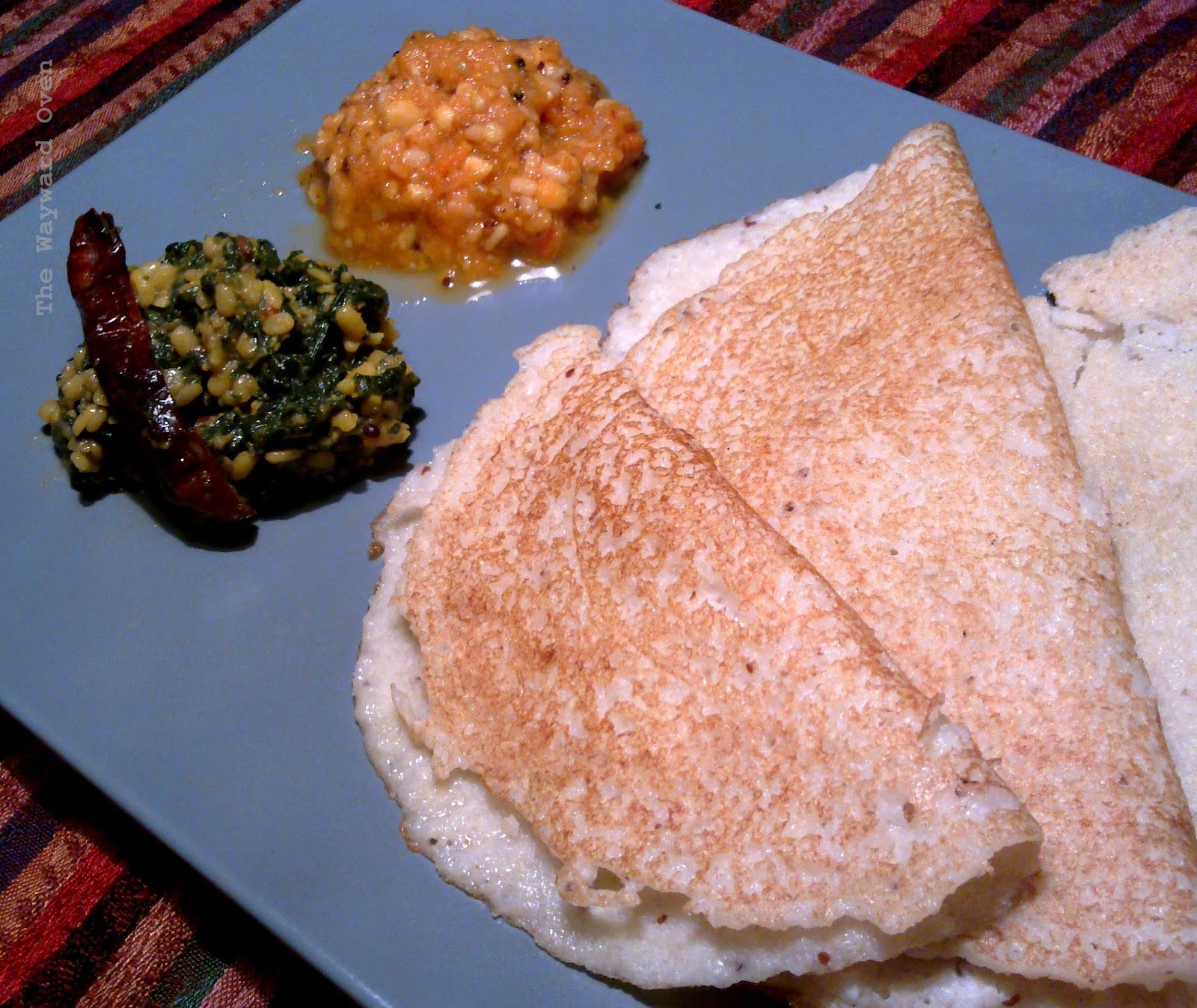
THOSAI, A DELICIOUS SOUTH INDIAN FLATBREAD 
Thosai (also spelled tosai and dosa) is an Indian crepe-like bread I grew up eating. It's one of the staple dishes served in south Indian restaurants in Malaysia, especially at breakfast time, quite often on a banana leaf. The bread is so popular that there are instant mixes that you just add water to, but really, it's not difficult to make from scratch.
The Sourdough Surprises challenge for this month is flatbreads which is defined as "a soft, pliable bread that is cooked on a griddle or stovetop". One of the flatbreads I usually make with my sourdough discard is the Indian chapati, made with a soft wheat flour called atta.
Thosai doesn't actually contain sourdough starter (made with wheat/rye flour), so perhaps it doesn't fulfil the requirements of the challenge. But the batter – made with raw and cooked rice and black gram lentils – is left to ferment overnight, and the whole thing is basically a sourdough. It even has a naturally sour taste and will rise slightly. Some recipes call for rice flour instead of raw rice. It does simplify the process, especially if you don't have a blender strong enough to make a smooth purée.
Thosai is often served plain with a selection of dhall curries and chutneys – coconut chutney is a must, and that is the only condiment I like with my thosai. But thosai can also be filled, usually with spicy mashed potatoes, turning it into masala thosai.
The thosai that I have made here is soft and spongy. For a crisper thosai, the batter is spread very thinly, and is about 45cm (18 inches) in diameter or more! It's usually only found in restaurants with huge griddle plates on the burners. The thosai is then rolled up like a large cigar or a cone shape. It's called "paper thosai".
I have posted a day late because I just wasn't able to get to the shops for grated fresh coconut to make my favourite coconut chutney. In the end, I didn't make it, after all. I do, however, have a tomato chutney and spinach with dhall as side dishes.
In restaurants, the server may bring along a spoon and fork with the order, but the best way to eat thosai is with the fingers!
Thosai
Makes 6 medium thosai

½ cup raw white rice
¼ cup skinless black gram lentils (ulunthu)
Large pinch fenugreek seeds
2 tbsp cooked white rice
½ tsp salt, or to taste
Vegetable oil

Wash the raw rice, dhall and fenugreek seeds and soak them separately in water for about six hours (overnight is fine).
Drain and rinse the soaked ingredients. Blend them together until very smooth with enough water to turn the blades of the blender. Transfer to a large bowl. Blend the cooked rice with a little water and stir into the bowl. The batter will be fluid but quite thick (pic 1). Cover and set aside at room temperature, preferably overnight, to ferment.
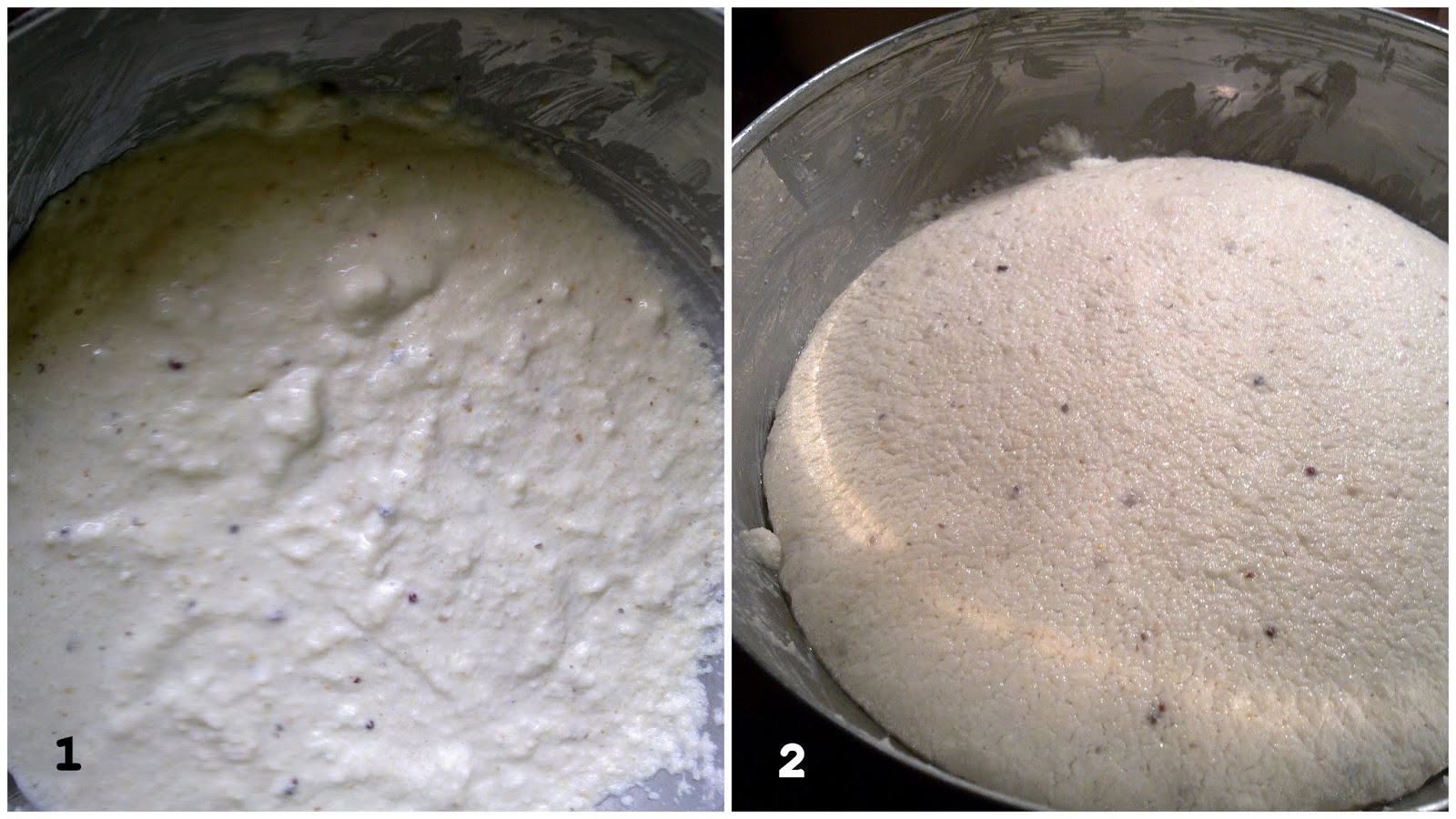
Thosai batter: before and after overnight fermentation
When fermented, the batter will have domed slightly with tiny bubbles on the surface (pic 2). Stir in salt. The batter should have the consistency of pancake batter so if it too thick, add a little water.
Heat a tava or crepe pan or large non-stick frying pan. Dip a crumpled up piece of kitchen paper into some oil and rub it on the surface of the pan.
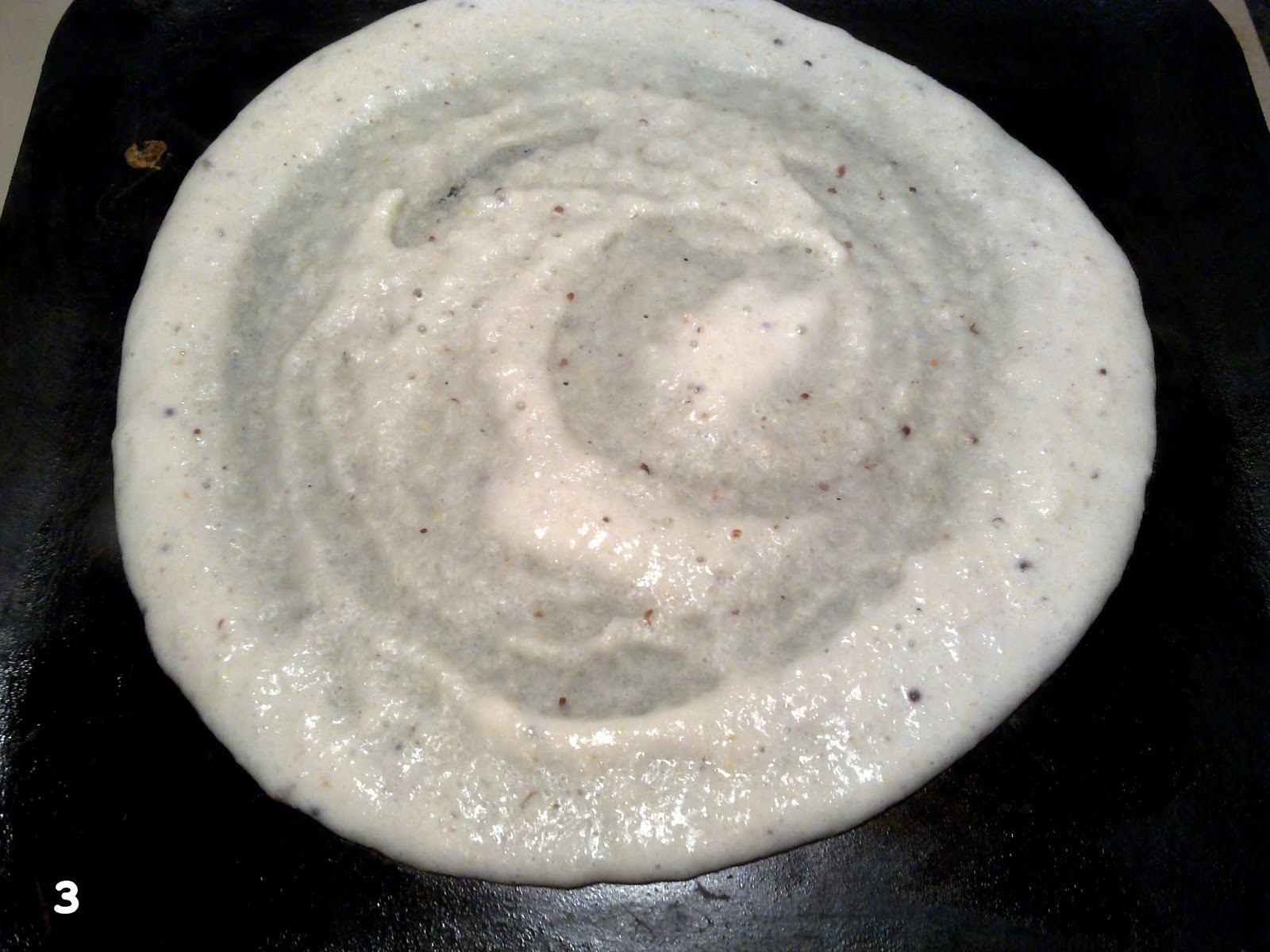
Use a metal ladle or similar implement (a metal measuring cup, for example) to scoop up about ¼ cup of batter and pour it onto the pan. Using the bottom of the ladle/cup, quickly spread out the batter into a thin circle but with slightly raised "ripples" (pic 3). Turn down the heat.
The first thosai never turns out well! This one stuck to the pan.
For crisper edges, dribble a little oil around the thosai.
Bubbles will form all over the surface like a pancake. The thosai is not flipped so leave it until the top is no longer wet and the bottom is a light brown, about 30 seconds. Fold the thosai in half and serve.
(For crisper thosai, spread the batter thinner and more evenly. The thosai is then usually rolled up like a large cigar or even into a cone shape. It's called "paper thosai".)
Make only as many thosai as will be eaten. Store uncooked batter in an air-tight container in the fridge. It can be used straight from the fridge.

Barley: The biga the better

Sunday, February 17, 2013

IT'S A BIGA DEAL WITH BARLEY 
The biga blew the lid off ... literally.
There was a loud pop and I looked over to the plastic bucket that was holding the preferment and found the cover on the floor. In hindsight, I shouldn't have pressed the lid on so tightly. Those organisms in fermenting bread doughs are mighty powerful!
The next time I made the bread, I used a bowl and just covered it with a tea towel.
The recipe was the white bread with 80% biga from Ken Forkish's Flour Water Salt Yeast. I followed it exactly, baked it in a Dutch oven and it turned out to be the tastiest and best-looking plain bread I had made in a while. It had a wonderful aroma and the crackling as it cooled was so loud I could – no exaggeration! –  hear it across the room. Although it didn't have the crack on the top like the loaf on the book's cover (the breads in Ken Forkish's book are not scored but baked seam side up so the crust opens up naturally), I thought it still looked pretty.
The crumb was springy and airy and when I bit into a slice, I knew that this was the gold standard by which I would have to judge all my breads henceforth.
Ken Forkish's white bread with 80% biga
But it is made with 100% white flour and if I wanted to eat more healthily I needed to use "browner" flours.
I have added barley flour to bread dough before but in very small amounts. Then I read about how The Vicar Died Laughing uses up to 20% barley flour in his sourdough bread (it looks great!). Since Ken Forkish's recipe had worked so well, I thought I might substitute a fifth of the white flour with barley.
I shaped the dough into a batard and proofed it in a rectangular basket, then baked the loaf using an improvised "hearth" baking method (a preheated upturned tray in the oven with a steam tray below it).
The oven spring came 15 minutes into baking. The crust didn't get as brown or as crusty as the all-white bread but I put that down to the oven not being steamy enough. The bread had a slight tang which I think is because of the slow rising overnight, and a hint of nuttiness from the barley, which also gave the crumb a yellow tinge.
Overall, a very nice bread. It's going to YeastSpotting.
Barley gives the crumb a yellow tinge
20% Barley Bread with 80% Biga
Makes a 750g loaf. Adapted from Ken Forkish's white bread with 80% biga

Biga
400g strong white bread flour
Pinch of instant yeast
272g water

Final dough
100g barley flour
103g water
9g salt
1g yeast
All the biga

Combine the ingredients for the biga and mix well. Place in a container and cover but not so that it is air-tight. Set aside to ferment until it has risen and the top is slightly domed and bubbly, 8-12 hours (depending on room temperature).
Combine the barley flour, water, salt and yeast in a bowl and mix well. Incorporate the biga and mix into a dough.
Develop the gluten using whatever method is comfortable (I did three stretch-and-folds over 1½ hours), then bulk proof (total time: about three hours at a room temperature of 27°C).
Shape and place into a proofing basket. Place basket into a food-grade plastic bag and leave to rise in the refrigerator overnight.
Do a poke test to determine if the loaf is ready for baking (this loaf was baked straight from the fridge). Preheat the oven to 225°C. If using a Dutch oven, preheat in the oven. Or put a steam tray in the oven for hearth baking.
Slash the loaf and bake until the crust is a deep brown and the loaf feels light for its size, 35-40 minutes, rotating the loaf halfway through the cooking time. The internal temperature should be around 95°C. Cool on a wire rack.